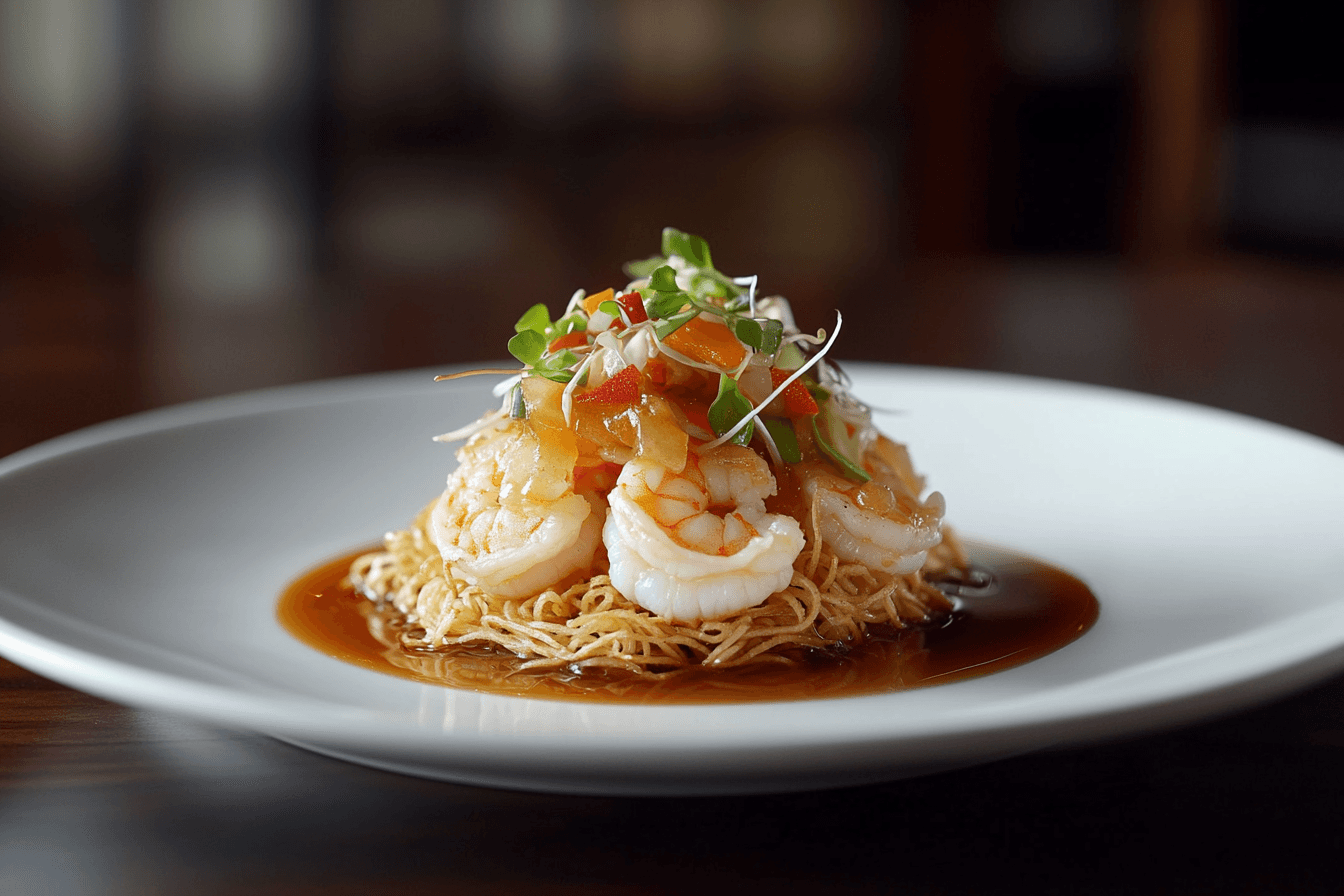
How do you make easy shrimp chow mein at home?
To make quick shrimp chow mein at home, boil chow mein noodles for 2-3 minutes until al dente, then drain. Sear peeled shrimp in a blazing hot skillet with vegetable oil for 1-2 minutes per side until pink. Remove the cooked shrimp, stir-fry shredded vegetables for 2 minutes, then toss the shrimp and chow mein noodles together with a quick soy-sesame sauce, heating through for 60 seconds.
Table of Contents
My Secret to Fast Weeknight Comfort Food
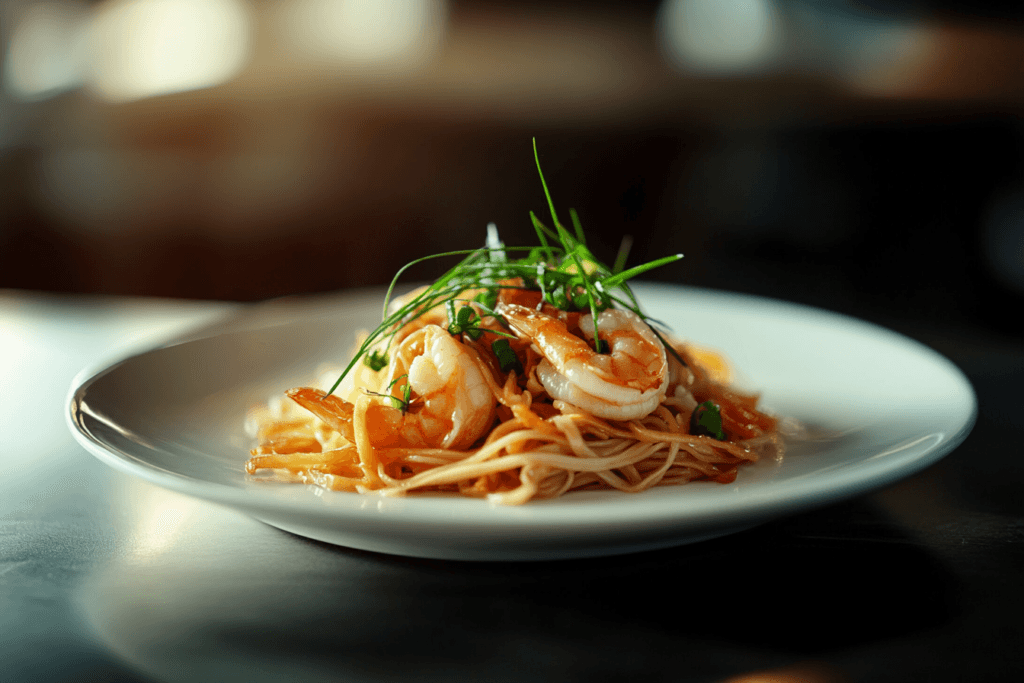
We have all been there. It is 6:00 PM on a grueling Tuesday, you just stepped through the front door after a chaotic day, and the entire family is staring at you with hungry eyes. The temptation to open a delivery app and order greasy Chinese takeout is incredibly real. But over the years, I have noticed that waiting forty-five minutes for a lukewarm takeout delivery box just leaves me tired and unsatisfied.
That is exactly why I started perfecting my own shrimp chow mein stir-fry game at home. The first time I whipped up this quick shrimp chow mein for my family, my kitchen smelled like absolute heaven in under twenty minutes.
I tried a dozen different noodle varieties and vegetable ratios before finding this exact shrimp recipe formula, and let me tell you, this homemade chow mein beats the restaurant takeout version every single time. It gives you that deep, savory comfort food satisfaction without the heavy, sluggish feeling afterward. Plus, cooking this shrimp dish in one pan means cleanup is a total breeze, leaving you more time to actually sit down, relax, and enjoy your evening.
What makes this shrimp stir-fry significantly better than standard web recipes is a concept I call flavor efficiency. We are not simmering a sauce for hours; instead, we rely on high heat and a few high-impact ingredients to mimic the traditional culinary essence. If you want to dive deeper into the science behind this unique smoky, charred flavor you get at high-end Asian eateries, you can explore the fascinating history and chemistry of wok hei on Wikipedia. To achieve this perfect homemade shrimp chow mein without a commercial kitchen setup, you need to pay close attention to a couple of crucial components:
- Chow Mein Noodles: Look for fresh, refrigerated chow mein noodles or high-quality dried yellow egg noodles. If you cannot find authentic chow mein noodles, plain ramen noodles (minus the spice packet, of course!) work in a pinch. The key is boiling them just until they have a slight bite so they don’t turn into mush when tossed in the hot shrimp stir-fry pan.
- The Umami Sauce Base: Traditional takeout often relies on cooking wine for depth. In my kitchen, I substitute that completely to create a clean, savory depth that perfectly coats every strand of your chow mein. We mix rich, low-sodium soy sauce, dark soy sauce for that gorgeous mahogany color, a splash of organic apple cider vinegar for brightness, and a dash of pure sesame oil to beautifully complement the succulent shrimp.
- The Heavy Skillet: You do not need a traditional round-bottomed wok to master this shrimp chow mein. A large, heavy cast-iron skillet or a deep 12-inch stainless steel frying pan works beautifully for any quick stir-fry. It holds heat exceptionally well, ensuring your shrimp sears perfectly and your vegetables stay wonderfully crisp-tender rather than steaming in their own juices.
The Official RecipesQuick Card
Ingredients
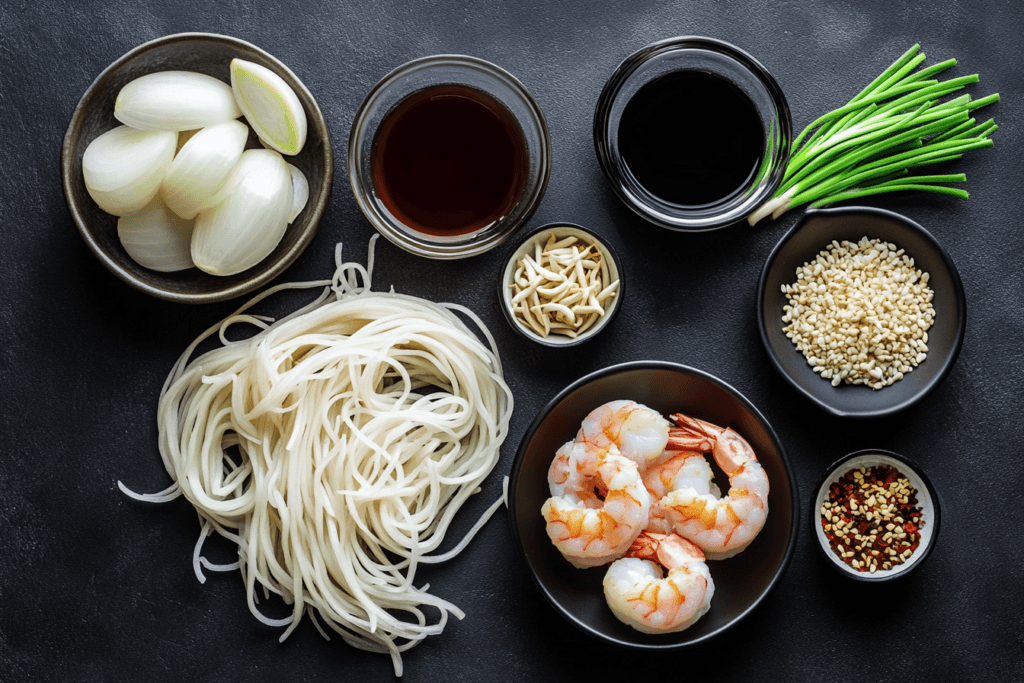
- 12 oz (340g) fresh chow mein noodles (or dried egg noodles)
- 1 lb (450g) large shrimp, peeled, deveined, and patted completely dry
- 2 tbsp vegetable oil, divided
- 2 cups green cabbage, finely shredded
- 1 cup carrots, julienned or matchstick-cut
- 1 cup celery, thinly sliced on a diagonal
- 3 cloves garlic, finely minced
- 1 tsp fresh ginger, grated
- 3 green onions, cut into 2-inch pieces
For the Savory Stir-Fry Sauce:
1/4 cup low-sodium vegetable or chicken broth
3 tbsp low-sodium soy sauce
1 tbsp dark soy sauce (for color and richness)
1 tbsp oyster sauce
1 tsp brown sugar or honey
1 tsp organic apple cider vinegar
1 tsp pure toasted sesame oil
Step-by-Step Instructions to Make Shrimp Chow Mein
The Final Noodle and Shrimp Toss: Using a pair of kitchen tongs, toss the shrimp, vegetables, and chow mein noodles together vigorously for 1 to 2 minutes. Ensure every strand of your chow mein completely absorbs the stir-fry sauce and everything is piping hot. Stir in the fresh green onions during the last 30 seconds, remove your completed shrimp chow mein from the heat, and serve immediately.
Prep the Chow Mein Noodles: Cook your fresh chow mein noodles according to the package directions, but stop exactly 1 minute early so they stay perfectly al dente. Drain the chow mein noodles well and toss with a few drops of toasted sesame oil to prevent sticking, then set aside.
Whisk the Savory Stir-Fry Sauce: In a small bowl, combine the low-sodium soy sauce, dark soy sauce, savory oyster sauce, brown sugar, organic apple cider vinegar, toasted sesame oil, and low-sodium broth. Stir your stir-fry sauce vigorously until the sugar dissolves completely.
Sear the Fresh Shrimp: Heat 1 tablespoon of vegetable oil in your heavy skillet over high heat. Add the prepared shrimp in a single, even layer. Cook the shrimp for 1 to 2 minutes until beautifully pink on the bottom, flip, and cook the shrimp for another 60 seconds. Immediately transfer the seared shrimp to a clean plate to prevent overcooking.
Stir-Fry the Aromatics and Veggies: Add the remaining tablespoon of vegetable oil to the same hot stir-fry pan. Toss in the minced garlic and grated ginger, stirring constantly for 15 seconds until fragrant. Add the shredded cabbage, carrots, and celery, then stir-fry rapidly for about 2 minutes until the vegetables start to soften but still retain a great crunch.
Combine Noodles, Vegetables, and Shrimp: Lower the skillet heat to medium-high. Add the cooked chow mein noodles and the beautifully seared shrimp back into the skillet with the sautéed vegetables. Pour your prepared savory stir-fry sauce evenly over everything.
Pro-Tips & Common Mistakes to Avoid
Over the years, I have made every single shrimp stir-fry mistake in the book so you don’t have to. The number one blunder people make when cooking homemade shrimp chow mein is overcrowding the pan. When you dump a mountain of cold vegetables and noodles into a small skillet all at once, the pan temperature drops instantly. Instead of searing your savory shrimp and crisp vegetables, your ingredients begin to steam, resulting in soggy chow mein noodles and rubbery, overcooked seafood. Always cook your recipe in stages as outlined above!
Another absolute must for this dish: pat your raw shrimp completely dry with paper towels before they hit the hot oil. Excess moisture is the ultimate enemy of a beautiful, golden-brown crust on your succulent seafood.
Lastly, do not walk away from the stove. Masterful stir-frying is an active, fast-paced style of cooking. Have all your fresh veggies chopped, your stir-fry sauce mixed, and all your ingredients lined up on the counter before you ever turn on the burner. Once the flame is on, things move incredibly fast, and a single minute of distraction can mean the difference between perfectly caramelized garlic in your chow mein and burnt, bitter pieces that ruin the entire meal.
Smart Variations & Meal Prep Storage
One of the reasons this dish makes a frequent appearance on my weekly rotation is the incredible versatility of a classic shrimp stir-fry. If you want to switch things up, you can easily swap out the succulent shrimp for thinly sliced chicken breast, lean beef strips, or even extra-firm cubed tofu. If you are looking for a grain-free alternative, this identical savory sauce and crunchy vegetable base tastes absolutely magnificent when tossed with spiralized zucchini noodles or spaghetti squash instead of traditional chow mein noodles.
For my dedicated meal preppers out there, this shrimp chow mein recipe is an absolute goldmine. The completed stir-fry holds up beautifully in the fridge for up to 3 days when stored safely in airtight glass containers.
When you are ready to reheat your lunch, skip the microwave if you can. Microwaving can make your tender shrimp rubbery and turn the delicate chow mein noodles a bit too soft. Instead, toss your leftovers back into a hot skillet with just a tiny splash of low-sodium broth or water to naturally loosen the noodles. Stir everything around over medium-high heat for about 3 to 4 minutes, and your homemade shrimp chow mein will taste just as vibrant, snappy, and delicious as the night you first made it.
Ready to Ditch the Delivery Apps?
If you are a true seafood lover who cannot get enough of plump, juicy shrimp, your culinary journey does not have to stop at a classic stir-fry. While a fast-paced wok dish satisfies those instant weeknight cravings for savory comfort food, there are evenings when you might want to slow things down just a touch and treat your family to a truly luxurious, oven-baked masterpiece. To elevate your dinner rotation with an incredible, creamy twist on seafood, for more recipe of shrimp you can read this article. It guides you through a magnificent fusion dish that marries the bold, aromatic punch of classic garlic butter shrimp scampi with the rich, comforting layers of a traditional Italian pasta bake.
Imagine tender shrimp seared to perfection in a pool of velvety garlic butter, tucked between delicate sheets of pasta, layered with smooth ricotta cheese, and smothered in a bubbling, golden mozzarella crust. This particular shrimp dish is the ultimate weekend indulgence that feels sophisticated enough for a special dinner party, yet remains entirely approachable for any passionate home cook. Just like our favorite shrimp chow mein, it completely skips any unnecessary commercial fillers or complex additives, focusing entirely on clean, high-impact flavors that let the natural sweetness of the seafood shine through.
Swapping a fast stovetop toss for a rich, comforting oven bake gives you the perfect excuse to explore how versatile shrimp can truly be in your kitchen. Whether you are meal prepping for a busy week ahead or setting a beautiful table for Friday night, diversifying your recipe arsenal with both rapid stir-fries and elegant pasta bakes ensures you always have the perfect answer to the question: “What’s for dinner?” Grab your apron, head over to our next guide, and discover your next favorite shrimp addiction!
There you have it! A spectacular, restaurant-quality seafood stir-fry that comes together faster than a delivery driver can even look up your address. It is fresh, intensely flavorful, and packed with wholesome ingredients that you can feel truly great about eating.
If you give this shrimp recipe a shot tonight, please leave a comment down below and let me know how it turned out in your kitchen! Did you add an extra kick of spice or stick to the classic version? Don’t forget to snap a quick photo and pin this recipe to your favorite weeknight dinner board on Pinterest so you always have it handy. Happy cooking!
Shrimp Chow Mein Tips & FAQs
What vegetables work best in shrimp chow mein?
Use napa cabbage, bean sprouts, carrots, and bell peppers. Add bok choy, snow peas, or green onions for extra flavor and nutrition.
Can I use frozen shrimp to make homemade shrimp chow mein?
Yes, you can absolutely use frozen shrimp for this recipe. For the best results, thaw the shrimp completely in the refrigerator overnight, or place them in a sealed bag under cold running water for 15 minutes. Crucially, pat the thawed seafood completely dry with paper towels before tossing them into your hot stir-fry skillet to ensure a perfect, golden-brown sear.
What is the main difference between Lo Mein and Chow Mein noodles?
The primary difference lies in how the noodles are prepared and cooked. Chow mein noodles are boiled briefly and then fried over high heat alongside the shrimp and vegetables to achieve a slightly crisp, textured finish. On the other hand, Lo Mein noodles are fully cooked through and gently tossed into the stir-fry at the very end just to coat them in sauce, resulting in a much softer bite.
How do I keep my shrimp from getting rubbery in a stir-fry?
To prevent rubbery seafood, always flash-fry your shrimp first over high heat for just 1 to 2 minutes per side until they turn pink and opaque, then immediately remove them from the pan. Set them aside on a plate while you cook your vegetables and chow mein noodles. Only return the cooked seafood to the skillet during the final 60 seconds of the recipe to heat everything through with the stir-fry sauce.
What is the difference between chow mein and lo mein?
Chow mein noodles are par-boiled and stir-fried for a crispy texture. Lo mein noodles are fully cooked and tossed with sauce, making them softer and more sauce-coated.
Can I use frozen shrimp for this recipe?
Yes, frozen shrimp works well. Just thaw and pat dry them to avoid extra moisture. Fresh shrimp is best, but good frozen shrimp can also be used.
What type of noodles work best for shrimp chow mein?
Use fresh chow mein noodles or Hong Kong pan-fried noodles. If you can’t find these, egg noodles or wheat noodles are good substitutes. Look for thin, wavy noodles that crisp up well.
How do I prevent my shrimp from becoming tough?
Cook shrimp quickly over high heat to keep them tender. Marinate them with cornstarch to protect them. Cook until they turn pink and slightly curled.
Can I make this dish vegetarian?
Yes! Replace shrimp with tofu, tempeh, or more veggies like mushrooms and bok choy. Adjust the seasonings to keep the flavor true to the dish.
What’s the best way to achieve “wok hei” at home?
Use a very hot pan or wok and cook quickly. Avoid overcrowding the pan. A cast-iron skillet or carbon steel wok is best for this.
How long can I store leftover shrimp chow mein?
Store it in an airtight container in the fridge for 1-2 days. Reheat quickly to keep the noodles and shrimp fresh.
What sauce ingredients are essential for authentic chow mein?
Essential sauce ingredients include oyster sauce, soy sauce, Shaoxing wine, sesame oil, and white pepper. These give the dish its classic umami flavor.
Can I make this dish gluten-free?
Yes, use gluten-free tamari and choose gluten-free noodles. Make sure your oyster sauce is gluten-free. Always check labels.
What vegetables work best in shrimp chow mein?
Use napa cabbage, bean sprouts, carrots, and bell peppers. Add bok choy, snow peas, or green onions for extra flavor and nutrition.